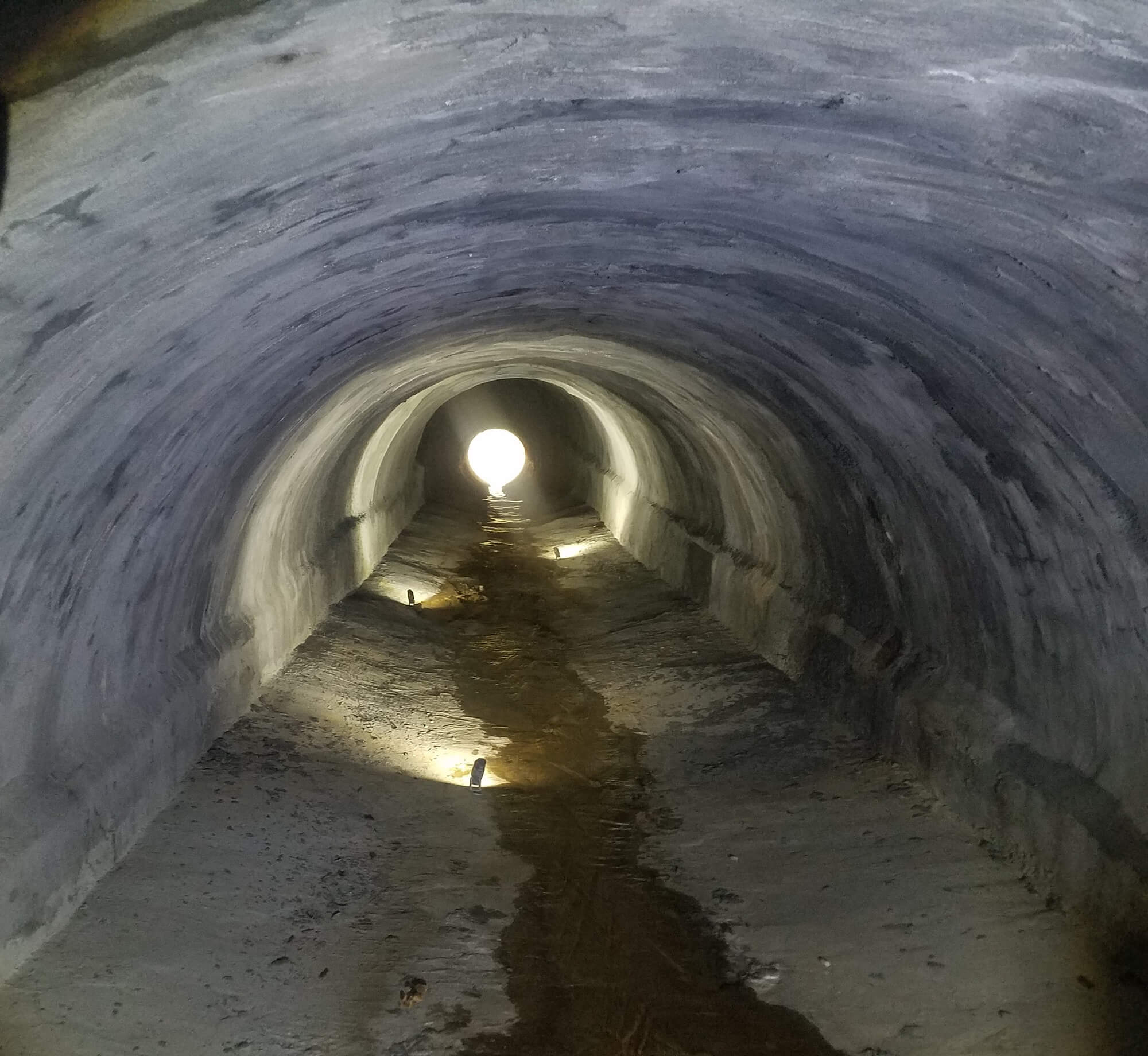
The vast systems of culverts and large pipelines that make up every municipality and township are – quite literally – the backbone of a complex infrastructure of roadways, and stormwater and sanitary sewer systems. These underground assets are integral to the health and safety of the communities that they support and, as such, are ideal candidates for trenchless pipeline rehabilitation methods and processes.
As these infrastructures age, the deterioration of storm, sanitary and combined sewer culverts are an inevitable and costly reality. The repair, rehabilitation or replacement process requires a comprehensive assessment of the pipeline condition; an evaluation of the options available; and the determination the relative costs and feasibility.
Since each culvert or large diameter pipe can present a unique challenge, the process of rehabilitation begins by:
1. Identifying the Problem
Most deterioration is identified during routine monitoring or pipeline inspection. Observable indicators such as irregular roadway settlement, sinkholes or ponding water at the inlet can also prompt the necessary rehabilitation or repair processes.
The extent of deterioration plays is an important part in determining whether to repair, rehabilitate or replace the structure. An accurate assessment of the condition of the culvert or pipeline allows for innovative decision making and solutions management.
When evaluating which method best, it’s important to have a comprehensive understanding of which factors will affect the long-term performance of the structure.
2. Determining the Cause of Deterioration
Pinpointing the cause of the deterioration is critical to developing an effective plan to replace, rehabilitate or repair line. Unless these external conditions have been properly addressed, the problem will likely persist. Reducing or eliminating the source of the original cause of deterioration will increase the success of the restoration efforts and ensure that the longevity of pipeline service life.
3. Evaluating Structural Condition and the Inflow / Outflow Capacity
Pipeline inspection is the first step in assessing a sewer line or pipeline needs. And, before repairs or restoration can begin, it is necessary to assess the compromised pipeline relative to its current flow capacity
and structural condition.
Once the problem has been identified and the cause, or causes, of deterioration have been determined, it’s time to evaluate the available options.
Evaluate Replacement, Rehabilitation and Repair Options
When evaluating which method is best, it’s important to have a comprehensive understanding of which factors will affect the long-term performance of the pipeline structure.
Replacement is the removal of the existing pipeline or culvert and replacing it with a new pipe structure. Pipelines that have been determined to have a fully deteriorated condition should be rehabilitated or replaced. This can be done either by tradition open cut method or by utilizing trenchless methods. Generally, the replacement option tends to be the most expensive of the options.
Repair, as an option, is a maintenance activity that keeps the existing culvert or pipe in a uniformly good, safe, and operational condition. Repairs do not necessarily enhance structural capacity although they may be coupled with sectional rehabilitation of the pipeline.
Rehabilitation is a trenchless method of restoring the existing pipeline to its original condition or better. This option improves the pipeline’s structural integrity and its function and flowline. Properly done, rehabilitation will typically “restore” the pipeline to its initial service life of 50 or more years. Following are rehabilitation processes that offer an economical solution for aging stormwater and sanitary sewer systems:
-
Cured-In-Place-Pipe Lining (CIPP)
This process involves inserting a flexible liner (which is infused with a thermosetting resin) into an existing pipe. The liner is inflated and exposed to heat or ultraviolet light to facilitate drying and hardening.
-
Cast-In-Place Pipelining
Expertly applied, this high-strength cementitious coating is “cast-in-place” to make the compromised pipeline impermeable. The lining usually contains a proprietary blend of additives.
-
Spin Casting or Centrifugally Cast Lining
Thin layers of high-strength, cementitious mortar is spin casted to coat the interior of the pipe. This new coating adheres to the original substrate to provides corrosion protection and enhanced structural integrity.
-
Sliplining
This method can be utilized for any size pipe, given that there is appropriate access, to “slip” a new pipe into the host pipe. Sliplining offers all the benefits and service life of a new pipe with minimal construction disruption.
-
Geopolymer Pipelining
Geopolymer pipelining is a proven long-term solution that helps prevent future infiltration / exfiltration leakage and improves the overall strength of the structure.
-
Shotcrete Lining
Shotcrete is a trenchless process whereby a high volume of a concrete mixture is pneumatically sprayed at a high velocity onto the interior pipe surface. This method is appropriate for large diameter pipes of 5 feet or greater.
Pipeline Rehabilitation — Cost-Effective, Efficient Solutions
Choosing the repair or rehabilitation method is determined by the characteristics and location of the deterioration pipeline and culvert. Trenchless rehabilitation costs and the time associated with spot and sectional repairs are often significantly less than what is required for total replacement of a pipe or culvert structure. Other key benefits include:
- No excavation or disruptive digging
- In most cases, no bypass pumping is needed
- Total repair time is significantly reduced and often with smaller crews
- Renewed service life of 50 years or more
- Reduces job costs: labor, equipment, materials, traffic control, bypass pumping, and unforeseen interferences
Pipeline Inspection and Repair Maintenance
In the years following a completed project, the work should be monitored and maintained as necessary. While most trenchless rehabilitation and repair techniques require little ongoing maintenance, pipelines and culverts should be inspected routinely for functionality and to ensure structural adequacy and performance.
Bottom line: Each state and municipality must shoulder the responsible for the repair, restoration, and replacement its aging sewer, wastewater and stormwater infrastructures. Experienced contractors can provide these pipeline owners with innovative, engineered solutions that utilize trenchless pipe restoration and rehabilitation methods that are safe, cost effective and that will ultimately extend the service life of the pipeline.
About MCSP
A recognized industry leader, MCSP provides cost-effective, efficient trenchless solutions for the repair and rehabilitation of structurally deteriorating culverts and large diameter pipelines.
Utilizing the latest in inspection technologies, MSCP can provide an accurate assessment of the condition of your sewer, wastewater, and stormwater infrastructure. Our advanced inspection process allows for innovative decision making and solutions management. The overall objective is to determine the best restoration method that is needed to extend the service life of your stormwater and wastewater systems for decades to come.